

Selling a home is rarely as simple as sticking a “For Sale” sign in the front yard and waiting for offers to roll in. In today’s competitive and fast-paced real estate market, selling smart is just as important as selling fast. Whether you're a seasoned real estate professional or a homeowner looking to maximize your investment, understanding the strategies behind effective property marketing is crucial. There's a science—and a little art—to marketing a property effectively.
Enter the 4 Ps of marketing—Product, Price, Place, and Promotion. These principles originated in traditional marketing but have seamlessly made their way into the world of real estate. And rightly so. Selling a home involves more than transactions and paperwork; it’s about connecting with the right buyer at the right time through the right channels. When these four components work in harmony, a listing doesn’t just attract attention—it gets results.
Product: More Than Just Four Walls
Let's start with the product. Now, on the surface, this might seem obvious. The “product” is the property. But in reality, it goes far deeper than square metres or the number of bedrooms. In real estate, the product is the emotional experience wrapped around a physical structure. It’s the sense of possibility, the lifestyle it suggests, the memories waiting to be made there. A home is more than four walls—it’s someone’s future, and when you market it, you’re not just selling architecture; you’re selling a dream.
That dream begins the moment a potential buyer pulls up to the curb. Curb appeal is more than a buzzword; it’s a buyer’s first impression, and it can set the tone for everything that follows. Is the front yard tidy and inviting? Does the front door feel like the kind of place someone wants to come home to? Even subtle details, like the condition of the garden, the lighting at dusk, or the color of the mailbox, contribute to the overall feel.
Once inside, the experience continues. Is the home staged in a way that helps people see themselves living there? A well-staged home tells a story. It highlights the function of each room, draws attention to special features, and avoids distractions like clutter or outdated décor. Even empty homes can be virtually staged to help buyers see the potential. The goal is to spark imagination—to let buyers picture their own lives unfolding in the space. From a cozy reading nook to a kitchen perfect for entertaining, each room should say, “You belong here.”
Price: Hitting the Sweet Spot
But even the most beautiful home won’t sell if the price isn’t right. Pricing a property correctly is one of the trickiest—and most important—parts of the process. Too high, and buyers won’t even schedule a showing. Too low, and you could be leaving thousands on the table. This is where market analysis comes in. By comparing similar homes recently sold in the same area—a process known as a Comparative Market Analysis or CMA—you get a clearer sense of what buyers are actually willing to pay.
Pricing isn’t just about math; it’s also about psychology. The right price creates urgency and signals value. It shows you’ve done your homework, that you understand the market, and that you're serious about selling. Strategic pricing can even lead to bidding wars, especially in high-demand areas or in a competitive market. But price sensitivity varies—what might be a bargain in one neighborhood could be over-the-top in another, so it’s vital to consider local trends, the property’s unique features, and broader market conditions before settling on that number.
Place: Making Your Property Visible
Then there’s the matter of place—where your listing appears and how accessible it is to potential buyers. In the pre-digital era, “place” might have meant local newspapers, a few brochures, and weekend open homes. But now, it means something far more dynamic. Your property's visibility—where it's found, how it's presented, and who sees it—can dramatically influence interest and foot traffic.
Think about how buyers shop for homes today. They start online. They scroll through listings late at night, swipe through photos on their phones, and bookmark favorites before even speaking with an agent. If your property isn’t on major portals like realestate.com.au or Domain, you’re missing the largest slice of the audience. But simply being online isn’t enough—you need to stand out.
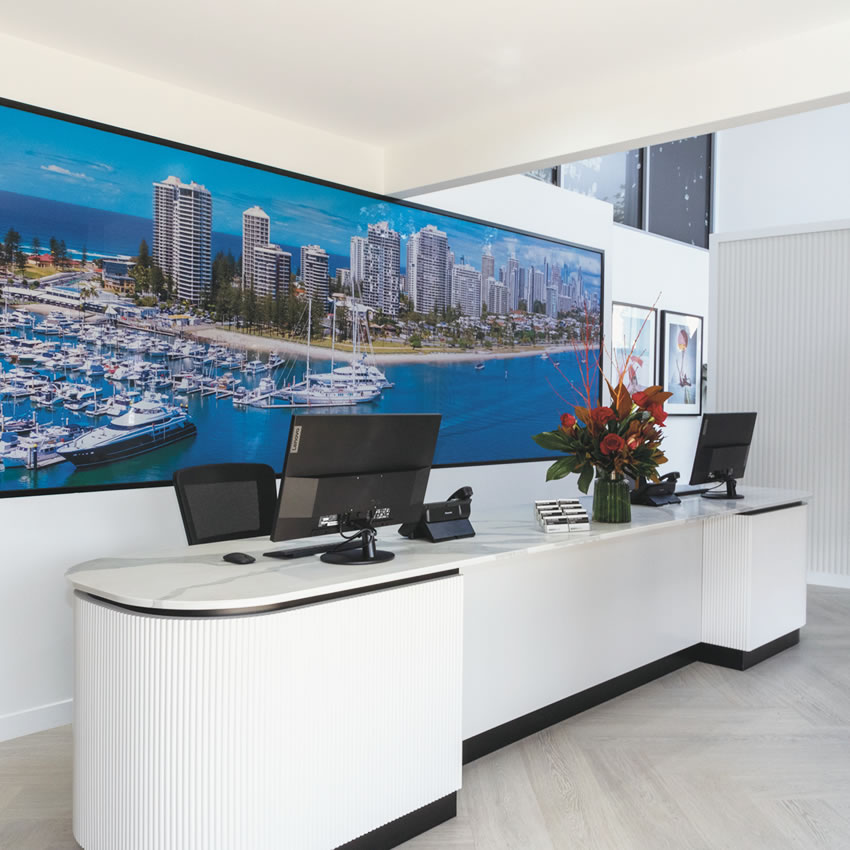
That’s where digital strategy comes into play. Targeted social media campaigns can zero in on specific buyer demographics—young families looking for their first home, downsizers seeking a low-maintenance lifestyle, or investors scouting for value. Paid advertising, geo-targeting, and retargeting tactics mean your listing can follow interested buyers around the web, keeping your home top-of-mind. In addition, tools like Digital Shop Front Screens, brochures, and property-specific websites give your listing a professional polish and extended reach.
And let’s not forget the power of in-person and immersive experiences. Open homes remain a tried-and-true tactic, and for good reason. They create opportunities for buyers to form emotional connections in a way that photos simply can’t replicate. Adding in modern touches like video walkthroughs or virtual tours can attract remote buyers or those unable to attend in person—broadening your market even further.
Promotion: Telling the Right Story
Finally, we arrive at promotion—the fourth and arguably the most creative P. This is where marketing moves from logic to storytelling. Promotion is how you craft and communicate the unique narrative of your property. It’s the difference between saying, “4-bedroom house with 2 bathrooms,” and painting a picture of a peaceful family retreat, where weekend barbecues and cozy movie nights are part of the everyday.
Great promotion starts with great visuals. Professional photography is non-negotiable—dark, blurry, or cluttered images will send potential buyers clicking away. Drone footage can showcase a large block, proximity to parks or beaches, or an impressive exterior. Virtual staging, lifestyle videos, or even agent-led walkthroughs with commentary can help humanize the home and offer insights that static images can’t convey.
But great promotion also lives in the messaging. Every element—from your listing description to the property brochure—should speak directly to your ideal buyer. Who are they? What matters most to them? What challenges are they facing, and how does your property solve them? Tailoring your message is what makes it resonate. Whether it’s through neighborhood flyers, email marketing, or local media outreach, the voice of your promotion should be clear, consistent, and compelling.
Planned to Perfection
When all four Ps—Product, Price, Place, and Promotion—come together, you don’t just have a listing. You have a strategy. A clear, intentional plan to connect the right home with the right buyer. And in a market where every day counts, that’s not just a luxury—it’s a necessity.
Mastering these elements isn’t reserved for marketing gurus or top-performing agents. Sellers, too, benefit from understanding the process. By thinking like a marketer, you empower yourself to make smarter decisions, ask better questions, and play a more active role in the sale of your property.
Because at the end of the day, selling a home isn’t just a financial transaction. It’s a deeply personal milestone—for the seller and the buyer alike. It’s the closing of one chapter and the beginning of another. And with the right approach, it’s a process that can feel not just strategic, but successful, satisfying, and even a little bit magical.
So, the next time you're thinking about listing, pause before you post that sign or snap a few casual photos. Take a step back, channel your inner marketer, and remember the 4 Ps. It might just be the edge you need in today’s real estate game. The results might surprise you.
Photo by Campaign Creators on Unsplash
Posted By Michelle Buchanan
Updated : 12th June 2025 | Words : 1283 | Views : 1927
 |
 |
 |
Comments
Latest
Popular
MBPS Property Blog Categories

7 TOPICS
MBPS News
Main Beach on the Gold Coast is a uniquely popular location that many people dream of living within.
9 TOPICS
Property Sales
Information about buying or selling property whether it is downsizing, upsizing or investing from Main Beach Property Sales.
8 TOPICS
Landlords and Investors
Here we have a few pearls of wisdom for Landlords and Investors that may be of interest to MBPS customers.
8 TOPICS
Market Conditions
The Property Market is constantly changing due to global, national, local and political influences.